Cash shortages at your repair shop: why they happen
Opening an auto repair shop and winning your first customers are important milestones. But having cars come through the door every day doesn't mean the business is financially healthy. Cash shortages are a common problem at repair shops and can hurt even busy businesses. This happens because revenue and available cash are different things, and it is easy to confuse the two. Here is how to understand the difference and avoid the most common mistakes.
Understand cash shortages to understand your profit
The danger lies in not distinguishing profit from cash on hand:
- profit is the financial result of the operation, taking income and expenses into account
- cash flow shows when money actually comes into and goes out of the business.
This difference is essential. The shop may complete a job today, receive part of the payment later and, before then, have to pay suppliers, wages and other expenses. If the manager doesn't track these dates, they may think the shop is profitable while cash is tight. That is why keeping your repair shop cash flow up to date is essential.
Picture an example: the shop lands a big job worth R$ 50,000 (Brazilian reais). At first glance, that looks great. But part of that amount goes to parts, staff, rent, taxes and other expenses, and payment may come in installments. The shop sold R$ 50,000, but it won't have R$ 50,000 available right away to pay its bills.
Growing too fast can also squeeze cash
It may seem contradictory, but growth can also cause cash shortages. The more cars in the shop, the more parts, staff, inventory and spending you need. The business has to spend first to get paid later.
Without financial planning, growth creates a dangerous situation: the shop has more customers but not enough cash to sustain the operation.
Be careful with installments and discounts
Making payment easier helps close jobs, but you need to consider when the money will actually arrive. If the shop splits a sale into several installments but has to pay suppliers and expenses right away, an imbalance appears. The same goes for discounts given without doing the math, which eat into margin. Offering installments isn't bad in itself: the problem is offering longer terms than the shop's cash can support.
Don't mix shop and personal expenses
This is a very common mistake, especially at family-run shops. The owner takes money from the till to pay a personal bill or makes unplanned withdrawals. When this happens repeatedly, it becomes hard to know how much the shop really needs to operate. Separating your finances is the best way to see the business's real cash position. Money in the shop's till isn't automatically money the owner can spend.
Having customers matters; having cash to serve them is essential
A full shop gives the impression that business is booming. And strong demand is indeed a great sign. But a cash shortage may be building without you noticing. That is why it isn't enough to ask "how many cars came in this month?". You also need to ask: "how much do these cars actually leave in the shop, and when does that money come in?".
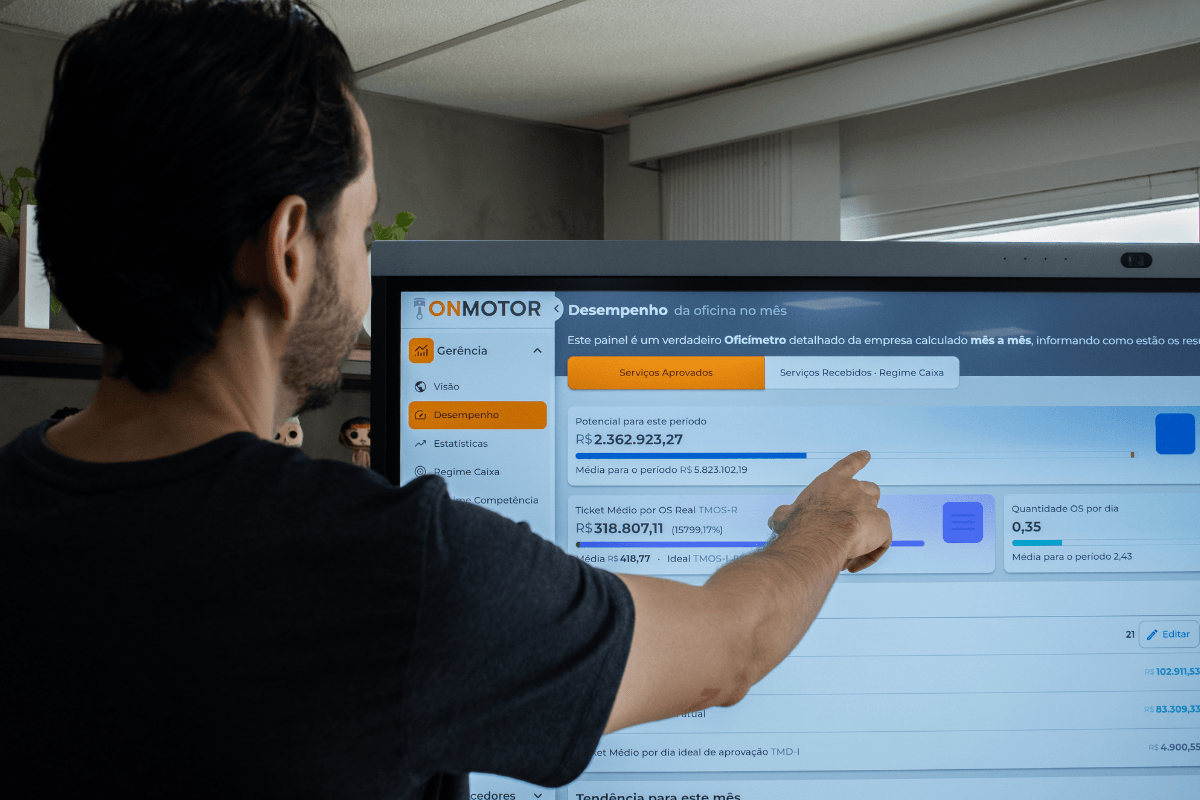
For more control, count on a repair shop management system like Onmotor, developed in Brazil. Contact our team or see the plans.