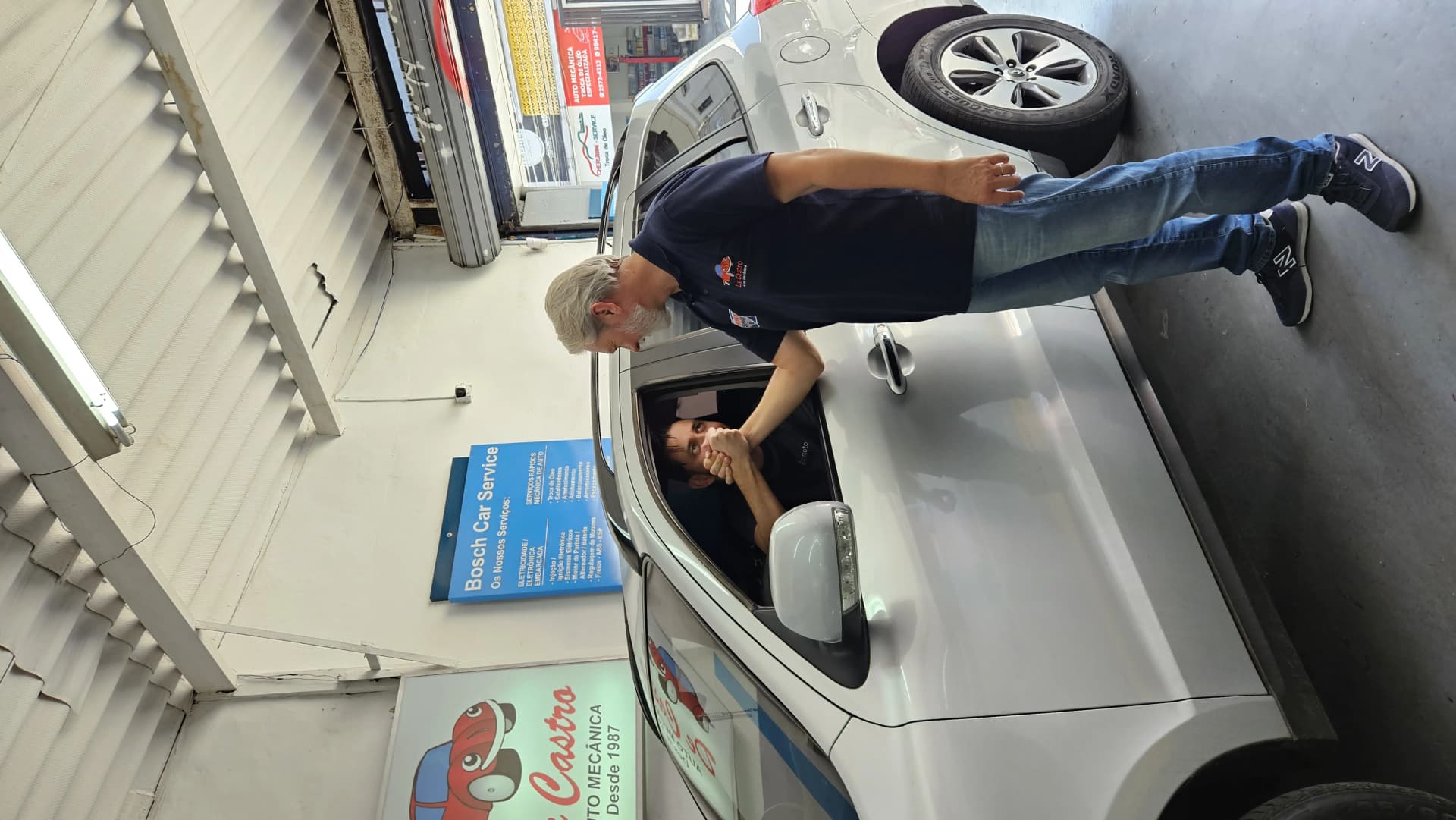
Reduce team idle time — standing still is lost money
In a shop, the main productive resource is the technician's time. Every available hour that is not billed is an hour of cost without matching revenue.
Open the full article
BLOGON
In a shop, the main productive resource is the technician's time. Every available hour that is not billed is an hour of cost without matching revenue.
Open the full articleIn a shop, the main productive resource is the technician's time. Every available hour that is not billed is an hour of cost without matching revenue.
Read the full articleMost people who dream of opening a repair shop dream about the technical side: the car on the lift, the spot-on diagnosis, the satisfied customer driving away with the problem solved. It's a legitimate dream, built on real skill. The problem is that this dream, on its own, doesn't sustain a business. Most shops are born out of the owner's technical skill, and that's enough to keep things running at the start. But what sustains a shop in the long run isn't the ability to fix vehicles, it's the ability to run a business.
Read the full articleNote: this article references NR-6, Brazil's workplace safety regulation on personal protective equipment. The underlying safety principles apply anywhere, but the specific legal citation is Brazil-specific.
Read the full articleBefore any strategy, there is a conceptual mistake that needs to be fixed: revenue is not the result. Revenue is the total amount that comes into the shop. The result is what remains after paying everything.
Read the full articleMost shop revenue targets are defined by wishful thinking. "I want to bill 20% more this month." But 20% more than what? With which structure? With how many technicians? With which average ticket?
Read the full articleAverage ticket is the average value of each closed work order. It is one of the most underestimated — and most powerful — indicators for increasing revenue without increasing costs.
Read the full articleKeeping customers is cheaper than winning new ones. But loyalty does not happen by chance. It is the result of a consistent process that starts after the car leaves the shop.
Read the full articleNone of the growth strategies will work well if pricing is wrong. You can increase job volume, reduce idle time and retain customers — and still not grow profit — if prices do not cover real costs.
Read the full articleShops that grow consistently have one thing in common: they make decisions based on data. Not on what the owner thinks is happening, but on what the numbers actually show.
Read the full article