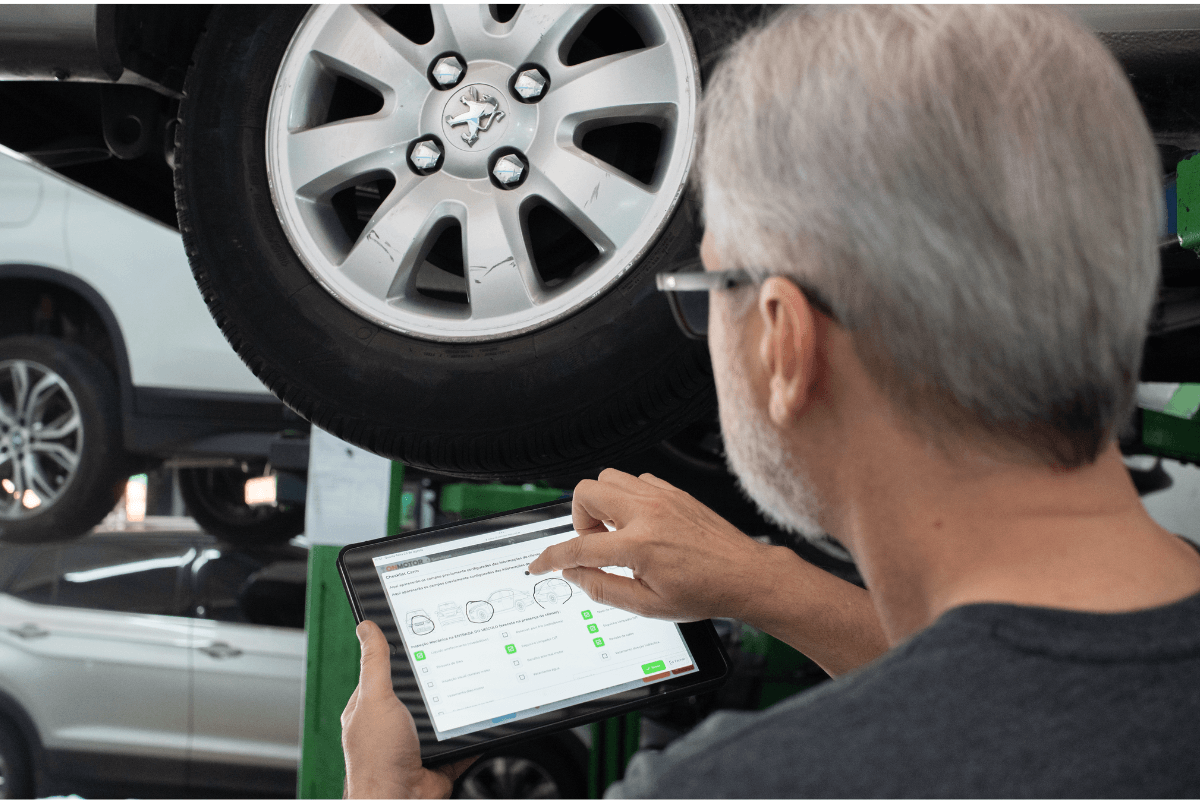
How to improve mechanic work at the shop
A car sitting idle waiting for a broken piece of equipment, a mechanic hunting for a tool, rework because the customer expected something else. Most of the time, a shop's productivity is not held back by a lack of effort from the team but by working conditions. Vehicles are more technology-heavy, parts get discontinued and manufacturers change strategy, which demands constant learning. To improve mechanic performance, the shop needs to provide training, structure and clear processes. Here is where to start.
Invest in training
Training, refresher and specialization courses prepare the team to work on newer vehicles and expand the shop's services. Well-trained mechanics make fewer mistakes, work faster and let the shop take on different types of work, such as:
- maintenance and repair
- parts replacement
- wheel alignment and balancing
- bodywork and painting
Rewarding those who build their skills also helps retain good professionals. See our content on mechanic commissions for ideas on recognition.
Run in-house training
Beyond outside courses, in-house training aligns the whole team with how the business works: how to open a work order, how to check parts, how to hand the car back. These sessions are also the time to reinforce occupational health practices, which helps prevent workplace accidents.
Keep the shop organized
A messy environment makes mechanics waste time on things that are not the job. A few simple practices help: clean up after each job, keep tools in their place, manage inventory efficiently, check that machines are working and spread the day's jobs so no one is overloaded and deliveries are not delayed.
Keep equipment in good condition
Car lifts, alignment machines, wheel balancers, scan tools: equipment is a mechanic's direct ally. When one goes down, the job is delayed or the shop has to turn work away. Preventive maintenance on machines and planning to replace those at the end of their useful life prevent this kind of loss.
Improve communication
Clear communication between owner and team, and between team and customer, prevents rework and disappointed expectations. It starts with the estimate. If a badly damaged vehicle only allows a temporary fix, for example, the customer needs to know before the job, not at pickup.
Use a system to clear paperwork out of the way
An auto repair shop system organizes estimates, work orders, inventory and finances. Mechanics get clear job information, whoever handles inventory knows what to restock and the front desk works faster. If you are considering this change, see the benefits of management software.
The Onmotor system is available throughout Brazil. See the plans and, if you have questions, talk to our team.